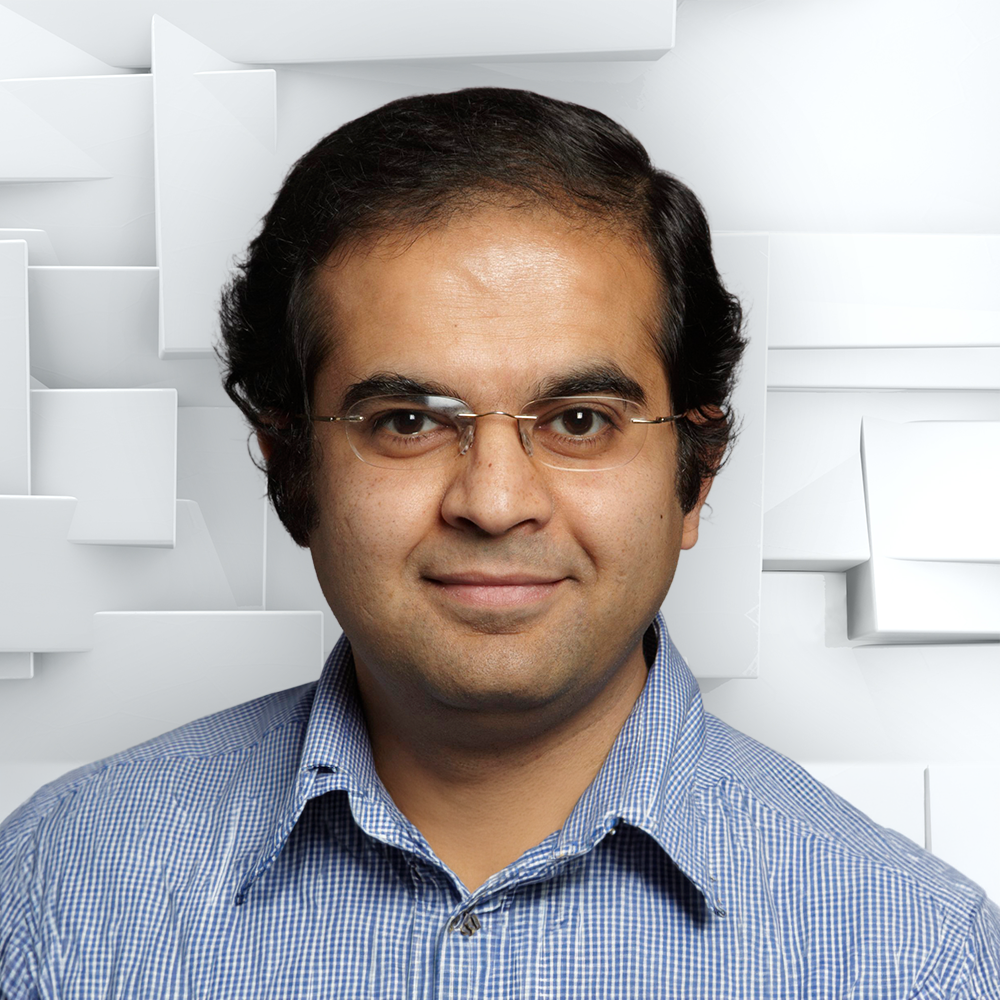
Dr. Saurabh Mehandru is a Professor of Medicine and a physician-scientist at the Icahn School of Medicine at Mount Sinai, where he serves as Director of the Helmsley IBD Research Center. He is a practicing gastroenterologist specializing in inflammatory bowel disease (IBD) and inflammatory disorder of the gastrointestinal tract, his research focuses on understanding the human intestinal immune system and translating insights from mucosal immunology into improved therapeutic approaches for patients.
The Mehandru laboratory uses multidimensional profiling of human intestinal tissues, including single-cell and spatial approaches, immune repertoire analysis, and computational biology, to define the cellular and molecular mechanisms that maintain intestinal homeostasis, drive inflammation, and determine therapeutic response.
A major focus of his recent work has been defining the role of B cells and humoral immunity in intestinal health and disease. His group has identified alterations in mucosal B-cell responses and novel autoantibody signatures associated with IBD, helping to establish a broader role for B cells in disease pathogenesis beyond their traditional function as antibody-producing cells. This work has also led to the identification of a novel autoantibody targeting an epithelial integrin in ulcerative colitis. Additionally, his laboratory has investigated the consequences of therapeutic B-cell and plasma-cell depletion on the intestinal immune system.
Dr. Mehandru is deeply involved in investigator-initiated translational and proof-of-concept clinical studies in IBD and cellular therapy. His research has been supported by the National Institutes of Health and other organizations, and his work has appeared in journals including Nature Medicine, Nature, Science Immunology, Science Translational Medicine, Journal of Experimental Medicine, Journal of Clinical Investigation, and Mucosal Immunology.
He is an elected member of the American Society for Clinical Investigation and is actively involved in national and international scientific organizations, peer review, mentoring, and training. Across these activities, his overarching goal is to use studies of the human intestinal immune system to identify mechanisms of disease, understand therapeutic response and toxicity, and develop more precise approaches to treating patients with IBD and other immune-mediated diseases.